
 By hunger game
Let’s be honest, navigating the world of learning games for 5 year olds can feel like trying to find a needle in a digital haystack. Every app store, every website, every well-meaning relative seems to have a different recommendation. As parents, we’re all looking for that magic bullet – something that entertains our little ones while secretly (or not so secretly) boosting their brainpower. But how do you cut through the noise? How do you know if a game is truly beneficial, or just another brightly colored distraction?
I’ve been there, sifting through countless options, wondering if I’m making the right choice for my child’s early childhood development. The truth is, it’s not about finding a game; it’s about understanding how to choose the right ones, how to integrate them into their world, and how to maximize their potential. Think of me as your guide, sitting across from you with a cup of chai, ready to demystify the process. We’re not just looking for entertainment; we’re hunting for genuine educational games that lay a solid foundation for future learning.
Beyond the Buzzwords | What Truly Makes a Game ‘Educational’?
Here’s the thing: just because an app has ABCs or 123s splashed across its icon doesn’t automatically make it educational. A common mistake I see people make is equating exposure with learning. True cognitive development games for preschoolers go deeper. They’re not just about rote memorization; they’re about fostering critical thinking, problem-solving, creativity, and adaptability.
What fascinates me is how these games, when chosen correctly, can tap into a child’s natural curiosity. They offer structured play that encourages exploration and experimentation. We’re talking about games that adapt to your child’s pace, offer constructive feedback, and build foundational skills like pattern recognition, logical sequencing, and even early literacy and numeracy. It’s about engagement that leads to understanding, not just passive consumption. We need to ensure the `age-appropriate educational content` is truly enriching, not just shiny.
The Goldilocks Zone | Balancing Fun, Learning, and Screen Time
Ah, the eternal debate: screen time for toddlers and preschoolers. It’s a valid concern, and one that often causes undue parental guilt. Let me rephrase that for clarity: it’s not about eliminating screens entirely; it’s about mindful, purposeful engagement. For 5-year-olds, the key is balance and quality. We’re aiming for the “just right” amount and type of screen interaction.
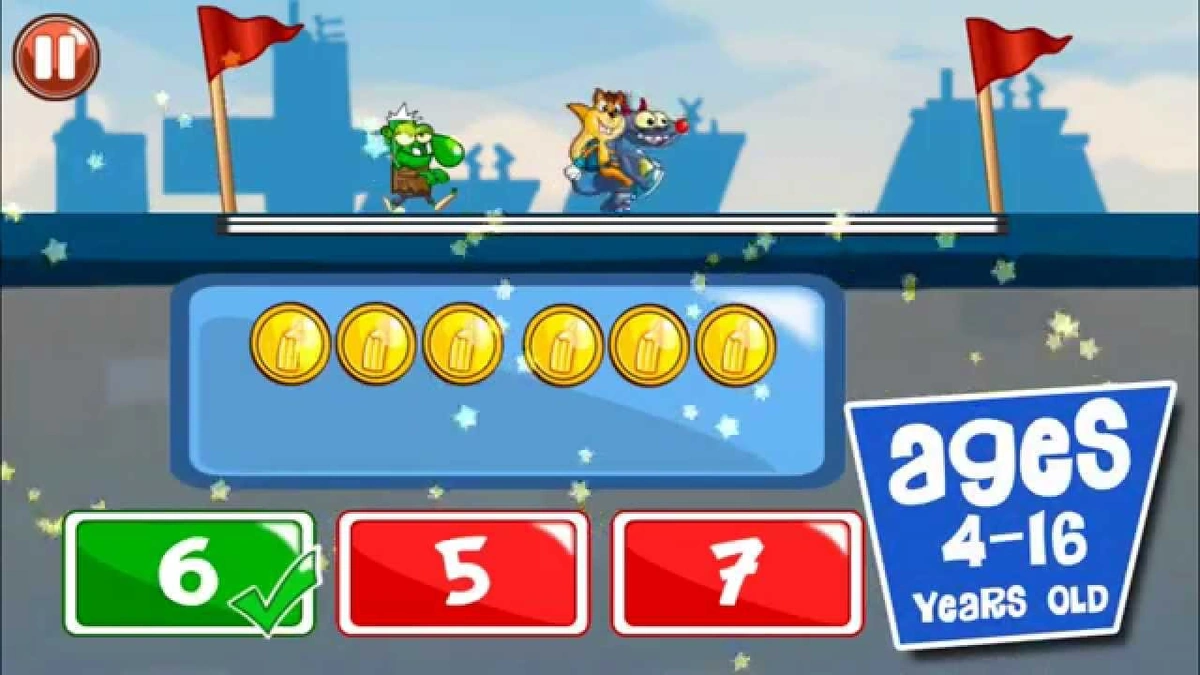
When it comes to interactive learning for kids, a good rule of thumb is to look for games that encourage interaction, not just observation. Think about games where your child has to make choices, solve puzzles, or create something. These aren’t passive experiences; they demand active participation. According to child development experts (and my own experience as a parent!), setting clear boundaries for screen time management and choosing high-quality content is far more effective than an outright ban. For more insights on the psychology behind effective learning, you might find resources likethe American Psychological Association’s educational psychology sectionincredibly helpful.
Your Toolkit for Selection | What to Look For (And What to Avoid!)
Alright, let’s get practical. When you’re sifting through the options for the best learning games for 5 year olds, here’s a checklist I’ve found incredibly useful:
- Clear Learning Objectives: Does the game explicitly state what skill it’s trying to teach? Is it math, reading, problem-solving, or creativity?
- Adaptive Difficulty: The best games adjust to your child’s skill level, offering challenges without causing frustration.
- Positive Reinforcement: Look for gentle encouragement and constructive feedback, not harsh penalties for mistakes.
- No Intrusive Ads or In-App Purchases: This is a big one. You don’t want your child constantly bombarded with distractions or accidentally buying things.
- Engaging (But Not Overstimulating) Graphics: Bright colors are fine, but too much flashing and noise can be counterproductive.
- Open-Ended Play: Some of the best kindergarten readiness games allow for imaginative play and multiple solutions, fostering creativity.
And what to avoid? Games that are purely repetitive without any progression, those that prioritize speed over thought, or anything that feels like digital busywork. Many excellent options are available, whether you’re exploringmobile gamesdesigned for educational purposes or finding engaging options on other platforms.
Integrating Play | Making Learning Games a Part of Their World
Choosing the right game is only half the battle. The other half is how you integrate it into your child’s daily routine. These aren’t babysitters; they’re tools. Here are a few ways to maximize their potential:
- Co-Play: Sit with your child! Ask questions, discuss what’s happening, and celebrate their successes. This turns screen time into quality time and reinforces the learning.
- Extend the Learning: If a game is about shapes, go on a shape hunt around the house afterward. If it’s about letters, practice writing them with crayons. The `game-based learning benefits` truly shine when connected to real-world experiences.
- Set a Routine: Predictable screen time (e.g., 20 minutes after breakfast) helps manage expectations and makes it less of a struggle.
- Rotate Games: Don’t stick to just one. Offer a variety of educational apps for preschoolers that target different skill sets. Maybe one day it’s a puzzle game, the next a storytelling app, or even some fun PC games designed for young learners.
Remember, the goal is to use these tools to supplement, not replace, hands-on play, reading, and social interaction. They are a powerful addition to your child’s learning arsenal when used thoughtfully.
Your Burning Questions About Learning Games for 5-Year-Olds, Answered!
How much screen time is okay for a 5-year-old?
Experts generally recommend around 1 hour of high-quality, educational screen time per day for 5-year-olds. The emphasis is on quality and interactivity, not just passive viewing.
Are free learning games any good, or should I pay?
Many excellent free learning games for 5 year olds exist, especially from reputable educational organizations. However, paid apps often offer an ad-free experience and more in-depth content. Always read reviews and check for hidden costs.
How can I tell if a game is truly educational?
Look for games that encourage critical thinking, problem-solving, creativity, and active participation. Check if it adapts to your child’s skill level, provides constructive feedback, and has clear learning objectives.
What if my child doesn’t like learning games?
That’s perfectly normal! Not every child is drawn to digital learning. Don’t force it. Focus on hands-on activities, reading, and outdoor play. You can try different types of `interactive learning for kids` or introduce games for shorter periods.
Can these games really help with kindergarten readiness?
Absolutely, when chosen wisely! Good kindergarten readiness games can help develop foundational skills in literacy, numeracy, logic, and even social-emotional areas, preparing your child for the structured environment of school.
So, there you have it. The world of best learning games for 5 year olds doesn’t have to be a bewildering maze. With a bit of insight, a clear understanding of what truly matters for your child’s development, and a dash of mindful parenting, you can harness the power of play to unlock incredible learning opportunities. Go forth, explore, and watch your little one thrive!