
 By hunger game
Let’s be honest, the mere mention of “screen time” often sends shivers down a parent’s spine. We worry about passive consumption, endless scrolling, and the ever-present fear of our kids turning into zombies glued to a glowing rectangle. But what if I told you there’s a powerful, often overlooked, side to the digital world? What if the very screens we cautiously monitor could become vibrant classrooms, packed with the best educational games for kids free of charge?
Here’s the thing: it’s not about if your child uses screens, but how. As a parent and someone who’s spent years observing how children interact with digital content, I’ve seen firsthand the incredible potential of well-chosenmobile gamesand apps. This isn’t just about entertainment; it’s about harnessing technology to ignite curiosity, develop critical thinking, and build foundational skills, all while having a blast. Forget the guilt; let’s dive into how to effectively navigate the ocean of free educational games and turn screen time into smart time.
Why “Free” Doesn’t Mean “Less” | Understanding the Value Proposition
The word “free” sometimes carries a hidden implication of lower quality, doesn’t it? Especially when we’re talking about something as crucial as our children’s education. But when it comes to free educational games, that couldn’t be further from the truth. In today’s incredibly competitive app market, developers often release high-quality, fully functional educational titles for free, relying on in-app purchases for advanced features or simply as a way to gain a massive user base. The good news for us is that the core learning experience often remains robust and, well, free.
What fascinates me is the sheer innovation in this space. These aren’t your grandpa’s flashcards (though those still have their place!). We’re talking about interactive adventures that teach complex concepts through engaging narratives, puzzles, and challenges. Many of these online educational games for kids are designed by educators and child development specialists, ensuring they align with learning objectives and developmental milestones. The value here isn’t just about saving money; it’s about accessing a diverse, dynamic, and often cutting-edge range ofdigital learning toolsthat cater to different learning styles. So, before you dismiss a game because it’s free, remember that some of the most impactful learning experiences are just a download away.
Decoding the Digital Playground | How to Pick the Right Game for Your Child
Okay, so the market is flooded with options. That’s fantastic, but also a bit overwhelming, right? My advice? Don’t just pick the first game that pops up. Think of yourself as a detective, looking for clues that indicate true educational value. Here’s how I approach finding the best educational games for kids free:
- Age-Appropriateness is Key: This seems obvious, but it’s often overlooked. A game designed for a 10-year-old will likely frustrate a 4-year-old, and vice-versa. Look for clear age ratings and descriptions. For instance, if you’re looking for free learning apps for toddlers, you’ll want simple interfaces, bright colours, and activities that focus on basic shapes, colours, and sounds. For older kids, the complexity can ramp up, focusing on problem-solving or coding logic.
- Learning Objectives First: What do you want your child to learn? Math? Reading? Logic? Creativity? Many learning games for children excel in specific areas. Some are fantastic for building foundational literacy skills, while others might focus on spatial reasoning or scientific concepts. For example, a game that involves building structures might enhance engineering thinking, while a puzzle game could be a great way to boost brain development games. Don’t just look for “educational”; look for what kind of education.
- Engagement vs. Distraction: This is a big one. An truly educational game keeps the child engaged with the learning task, not just flashy animations or endless rewards. Does the game provide meaningful feedback? Does it encourage experimentation and critical thinking? Or is it just a glorified arcade game with an educational skin? You want the former.
- Privacy and Safety Checks: Crucial, especially for free apps. Always check reviews, read the privacy policy (yes, really!), and see what permissions the app requests. Be wary of excessive ads or requests for personal information. Reputable platforms like Common Sense Media (https://www.commonsensemedia.org/) often provide excellent, unbiased reviews on these aspects.
- Platform Matters: Are you looking for best free educational games for Android? Or iOS? Or web-based? While many popular titles are cross-platform, sometimes there are exclusives or better optimizations on certain operating systems.
It’s a bit like choosing a good book; you wouldn’t pick one blindly. A little research goes a long way in ensuring the kids’ educational games you introduce are genuinely beneficial.
Turning Play into Progress | Strategies for Parents
Finding the right game is only half the battle. The real magic happens when you, as a parent, become an active participant in your child’s digital learning journey. Here are some strategies I’ve found incredibly effective:
- Join In (Sometimes!): Don’t just hand over the tablet. Play with them! Ask questions about what they’re doing, why they made certain choices, or what they learned. This turns solo screen time into a shared play-based learning experience. It also gives you insight into whether the game truly fosters learning.
- Connect Digital to Real Life: If a game teaches about animals, visit a zoo or read a book about animals. If it’s about shapes, point out shapes in your home. Bridging the gap between the digital and physical worlds reinforces learning and makes it more tangible. This is how fun learning activities for kids truly stick.
- Set Clear Boundaries: Even the best educational game needs limits. Establish consistent rules for screen time duration and when it’s appropriate. “You can play for 30 minutes after your homework is done” is far more effective than an open-ended policy.
- Balance with Other Activities: Digital learning is powerful, but it’s part of a larger ecosystem. Ensure your child still has plenty of time for outdoor play, reading physical books, creative arts, and social interaction. Remember, development is holistic.
- Encourage Reflection: After a gaming session, briefly discuss what they enjoyed and what they learned. “What was the trickiest puzzle? How did you solve it?” This metacognitive process is crucial for solidifying knowledge.
Ultimately, these strategies transform free learning apps from mere distractions into powerful tools that complement traditional learning and foster a genuine love for discovery.
Our Top Picks (And What to Look For in Yours)
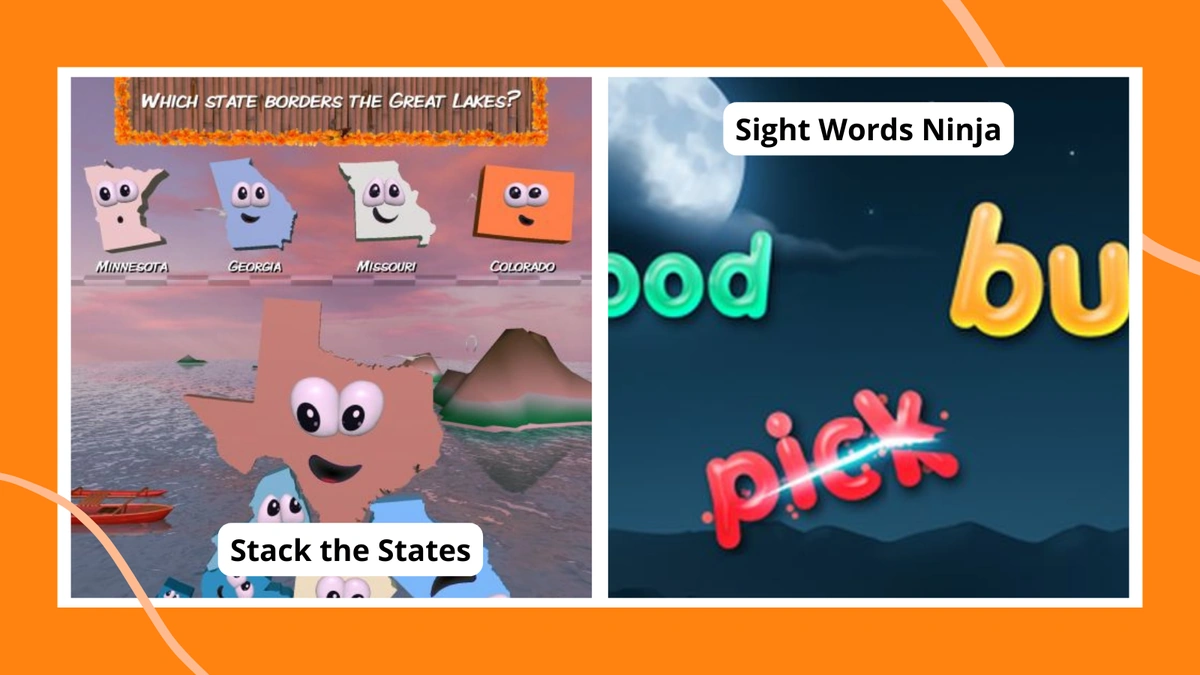
While I won’t name specific game titles here (as the market is constantly evolving, and what’s “best” today might be old news tomorrow), I can share the types of games that consistently deliver educational value and exemplify the spirit of best educational games for kids free.
- Puzzle and Logic Games: Think games that involve sorting, matching, spatial reasoning, and sequential thinking. These are fantastic for building problem-solving skills and critical thinking. Look for those with increasing difficulty levels and clear objectives.
- Language and Literacy Builders: Games that focus on phonics, sight words, storytelling, and early reading are invaluable. Interactive stories, letter-tracing apps, and vocabulary-building games can make learning to read and write an adventure.
- Math Explorers: From basic counting and number recognition for preschoolers to fractions and geometry for older kids, interactive math games make abstract concepts tangible. Look for games that allow kids to manipulate numbers and objects.
- Creative & STEM Games: These include virtual building blocks, simple coding games, and digital art studios. They foster creativity, introduce fundamental STEM concepts, and allow children to express themselves digitally. Many of these offer robust preschool learning games free of charge, laying early foundations.
When you’re searching, focus on games that offer clear learning goals, adaptability to different skill levels, and a clean, intuitive interface. Look for user reviews that highlight educational impact, not just entertainment value. A quick search for “educational apps for kids reviews” can also yield valuable insights from fellow parents and educators.
Frequently Asked Questions About Educational Games
Can screen time with educational games be truly beneficial for development?
Absolutely, when managed thoughtfully. Research suggests that interactive, educational screen time can enhance cognitive skills, problem-solving abilities, and even boost literacy and numeracy, especially when parents are involved in guiding the experience. The key is balance and selection.
How do I know if a “free” educational game is genuinely good and not just a disguised marketing tool?
A truly good free educational game prioritizes learning over ads or in-app purchases. Look for minimal distractions, clear learning objectives, positive user reviews (especially from parents or educators), and endorsements from reputable educational technology sites. Be wary of games that constantly prompt for purchases or have intrusive ads.
What’s a good amount of screen time for educational games?
Guidelines vary by age. For toddlers (18-24 months), very limited, high-quality co-viewing with a parent is recommended. For ages 2-5, 1 hour or less of high-quality programming is often suggested. For school-aged children, focus on establishing consistent limits that prioritize other activities like physical play, reading, and social interaction. The quality of the content and active engagement are more important than just the duration.
My child gets bored quickly with educational games. Any tips?
It happens! Try rotating games regularly, introducing new challenges, or revisiting old favourites after a break. Also, ensure the game is truly engaging and aligns with their current interests and learning level. Sometimes, a child might be ready for something more challenging, or perhaps they need a game with a different type of reward system. Don’t force it; there are plenty of other online learning games out there.
Are there specific subjects that educational games are best for?
Educational games excel across a wide range of subjects. They are particularly effective for foundational skills like math (counting, arithmetic), language (phonics, vocabulary, spelling), logic, problem-solving, and spatial reasoning. Many also do a great job of introducing science concepts, history, and even coding in an accessible, engaging way.
So, there you have it. The world of best educational games for kids free is not a minefield to be avoided, but a treasure chest waiting to be opened. With a discerning eye and an engaged approach, you can transform your child’s screen time from a source of worry into a powerful catalyst for growth, learning, and endless discovery. Happy gaming, smart parenting!