
 By hunger game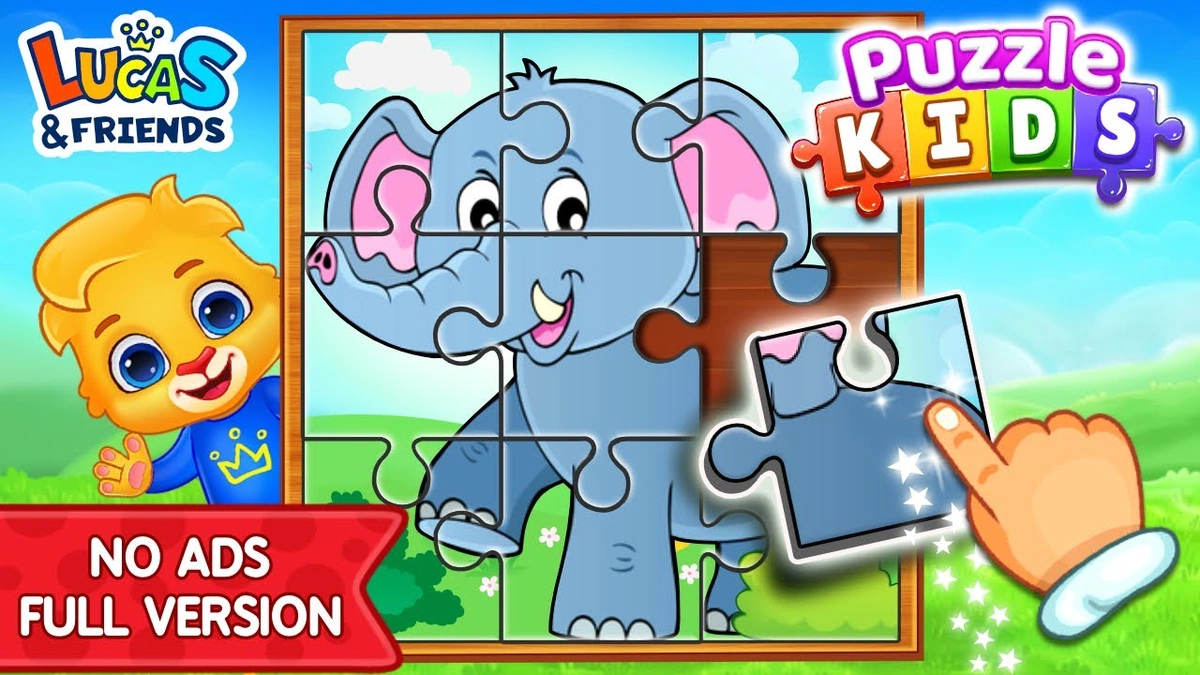
Let’s be honest, as parents in India, we’re constantly navigating that tricky balance: screen time versus constructive play. It’s a daily dilemma, isn’t it? We want our kids to be engaged, entertained, and frankly, sometimes we just need a few minutes of peace. But the guilt often creeps in, whispering about wasted hours staring at a glowing rectangle. What if I told you there’s a whole universe of best puzzle games for kids out there that not only entertain but actively turbocharge their development? And the best part? Many of them are completely free to download .
Here’s the thing: we often view games as mere distractions. But for children, especially with the right kind of puzzle games, they are powerful learning tools. They’re not just about passing time; they’re about building brains, one challenging level at a time. Today, we’re diving deep into the “why” – why these seemingly simple digital jigsaws and logic challenges are indispensable for your child’s cognitive growth, emotional intelligence, and even their future problem-solving prowess. Forget just finding a game; we’re uncovering a goldmine of developmental opportunities. So, grab a chai, and let’s explore this together.
The Unseen Power | Why Puzzle Games Are More Than Just Fun
When you hear “puzzle games,” your mind might jump straight to Tetris or Candy Crush. And while those are fun, the world of kids’ educational games is so much richer, especially for younger minds. What fascinates me is how these games, often designed with vibrant colours and intuitive interfaces, subtly introduce complex concepts. They aren’t just about matching shapes; they’re about pattern recognition, spatial reasoning, and developing a systematic approach to problems. Think about it: a child trying to fit blocks into specific slots is instinctively learning geometry and cause-and-effect.
But it goes deeper than that. These aren’t just rote exercises. Good brain games for children encourage critical thinking. They present a mini-challenge, and the child has to experiment, fail, adjust, and try again. This iterative process is crucial for developing resilience and a growth mindset – skills that are far more valuable than memorizing facts. I’ve personally seen kids light up when they finally solve a particularly tricky puzzle; that “aha!” moment is pure gold. It’s not just a win in the game; it’s a victory for their self-esteem and their understanding of their own capabilities.
Cognitive Development | Building Blocks for Brighter Minds
Let’s get a bit analytical here. The core benefit of these games lies in their impact on cognitive development. We’re talking about enhancing memory, improving attention span, and sharpening problem-solving skills. For instance, many logic puzzles for kids require children to hold multiple pieces of information in their minds simultaneously – where a piece goes, what shape it is, what colour it needs to be – which is a fantastic workout for working memory. This is especially true formobile games, where quick decisions and sustained focus are often key. Research suggests that engaging with such games can significantly aid achild’s braindevelopment.
Then there’s the spatial reasoning aspect. Games that involve rotating objects, arranging pieces, or navigating mazes are essentially giving children a mental gym for understanding space and relationships between objects. This isn’t just useful for future engineers or architects; it’s fundamental for everyday tasks, from packing a bag to understanding directions. And because many of these are available as free download puzzle games , there’s no barrier to entry for parents wanting to give their kids this valuable head start.
Beyond IQ | Emotional Intelligence and Patience
It’s not all about raw brainpower, though. A significant, often overlooked, benefit of engaging with problem-solving games free of charge is the development of emotional intelligence and patience. How many times have you seen a child frustrated with a toy, only to give up? Puzzle games, by their very nature, teach persistence. They demand that children don’t just throw their hands up in the air; they encourage them to try another angle, to rethink their strategy. This isn’t always easy, and it definitely involves managing frustration.
When a child is engrossed in a challenging puzzle, they’re learning to regulate their emotions. They learn that success often comes after several attempts, and that failure isn’t a dead end, but a stepping stone. This resilience is a critical life skill. Moreover, many modern children’s learning apps are designed to be cooperative or to offer gentle hints, teaching children that sometimes, it’s okay to ask for help or to look for clues. This fosters a sense of curiosity and reduces the fear of not knowing, which is invaluable in an academic setting.
Finding Your Treasure | The Best Free Puzzle Games & Where to Look
Now, you might be thinking, “This all sounds great, but how do I find these magical games without breaking the bank or wading through a sea of low-quality apps?” That’s a valid concern! The app stores (Google Play Store, Apple App Store) are brimming with options, but quality varies wildly. Look for games from reputable educational developers. Often, these developers have a track record of creating thoughtful, age-appropriate content. Websites like Common Sense Media are also fantastic resources for reviews that focus on educational value and safety.
When searching for the best puzzle games for kids free download , pay attention to user reviews and ratings. Look for games that offer a clear progression of difficulty, gentle feedback, and minimal intrusive ads. Some excellent categories to explore include: Jigsaw Puzzles (digital versions are often easier for little hands), Tangrams, Sudoku for kids, memory match games, and simple coding puzzles. These types of fun learning apps are often designed with specific age groups in mind, from preschool puzzle games to more complex challenges for older children.
And remember, the “free” aspect doesn’t mean low quality. Many developers offer free versions with optional in-app purchases for additional levels or features. It’s a great way to try before you commit. Just make sure to manage in-app purchases settings on your device if you’re concerned. Also, don’t forget the power of good oldeducational gamesthat are often available on platforms likeHungergamer, offering a wider variety of interactive experiences.
The Parent’s Role | Guiding the Digital Play
Even with the best games, our role as parents remains crucial. It’s not about handing over a tablet and walking away. Engaging with your child while they play, asking questions like “What are you trying to do here?” or “What do you think will happen if you move that piece?” can amplify the learning experience. This interaction turns solitary screen time into a shared educational journey. It also helps you understand what concepts your child is grasping and where they might need a little extra nudge.
Setting boundaries for screen time is also non-negotiable. Even the most beneficial brain-boosting games need to be balanced with physical play, reading, and social interaction. The goal isn’t to replace traditional learning but to augment it, to provide another avenue for exploration and development. So, while you’re looking for those perfect free mobile puzzle games , remember to also plan for outdoor adventures and creative art sessions.
FAQs | Your Quick Guide to Kids’ Puzzle Games
Q1 | Are all free puzzle games safe for kids?
A1: Not all. While many are safe, it’s crucial to check reviews, ratings, and the developer. Look for games with minimal ads and no inappropriate content. Common Sense Media is a great resource for checking game suitability.
Q2 | What age are puzzle games best for?
A2: Puzzle games are beneficial for almost all ages! From simple shape-matching for toddlers ( puzzle games for toddlers ) to complex logic challenges for older children, there’s a game for every developmental stage. Just ensure the game is age-appropriate.
Q3 | How do puzzle games help with cognitive skill development?
A3: They enhance problem-solving, memory, attention span, spatial reasoning, and critical thinking. By presenting challenges that require strategic thinking and experimentation, they effectively exercise various parts of the brain, leading to overall cognitive skill development .
Q4 | Can these games replace traditional learning?
A4: Absolutely not. While highly beneficial, they are best seen as supplements to traditional learning methods. They enhance certain skills but should be balanced with reading, physical activity, social interaction, and formal education.
Q5 | How can I ensure my child isn’t just mindlessly playing?
A5: Engage with them! Ask questions about what they’re doing, encourage them to explain their strategy, and celebrate their breakthroughs. Choose games that are known for their educational value and challenge them appropriately. Look for games that require active thinking, not just repetitive actions.
So, there you have it. The next time you’re searching for online puzzle games for kids or wondering if screen time can ever be truly productive, remember the immense developmental power hidden within these digital puzzles. They’re not just time-fillers; they’re brain-builders, resilience-trainers, and confidence-boosters. By choosing wisely and engaging thoughtfully, you can turn those screens into powerful allies in your child’s journey of growth. Happy puzzling!